


Maker Faire Long Island happens today June 6th at Stony Brook University. (Link)
I didn’t get to send out a newsletter last week because I got busy. One of the other hats I wear is that I am co-publisher of the Sebastopol Times, an online newspaper for my hometown. Last week, I was busy writing about the June 2nd elections in California. But at the end of the week, I interviewed Owen Dawson who just graduated from high school. As I wrote in the article, he is a bright kid brimming with optimism and determination. His main interest is science, and while he thought he might go into aerospace engineering, he’s decided to study molecular engineering at the University of Chicago in the fall. He talked about exploring “the convergence of quantum mechanics and biology” to invent new kinds of quantum sensors that can possibly detect cancer. I was so impressed by his youthful energy and enthusiasm, something akin to the feeling I get at Maker Faire. After meeting Owen, I thought: “Things are looking up!”
Table of Contents
Blocking 3D printers from printing guns just became law in NY; developing the technology will take a lot longer.
As I wrote recently, lawmakers are worried about various types of “ghost guns,” some of which can be made on 3D printers; they have begun passing laws that require ALL 3D printers to have blocking technology that prevents printing guns. One such law was passed in New York State on June 1. A similar bill in California has passed the Assembly and will be voted on in the State Senate.
The lawmakers have written a law that many believe can’t be enforced. Why? Because the technology doesn’t exist to do what they want and it’s not clear that it can be done. The lawmakers have ignored input from the 3D-printing industry and open source 3D-printer advocates. Instead, they’ve given themselves two years or so for research and development of this technology.
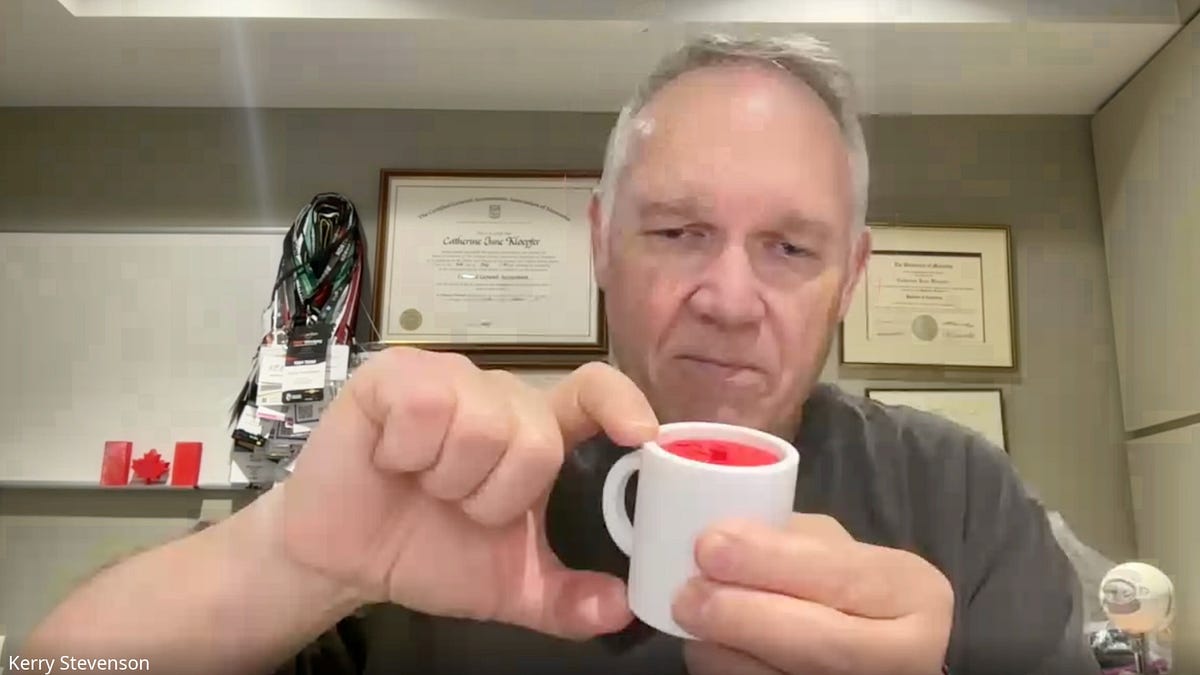
This week, I talked to Kerry Stevenson of Faballoo, a 3D-printing industry website. He doesn’t think that blocking technology works, saying that that what lawmakers want is "not feasible.” It’s a law mandating something that doesn’t exist.
Read my interview on the Make: Substack.
Humanmade SF team learned the ropes at TechShop
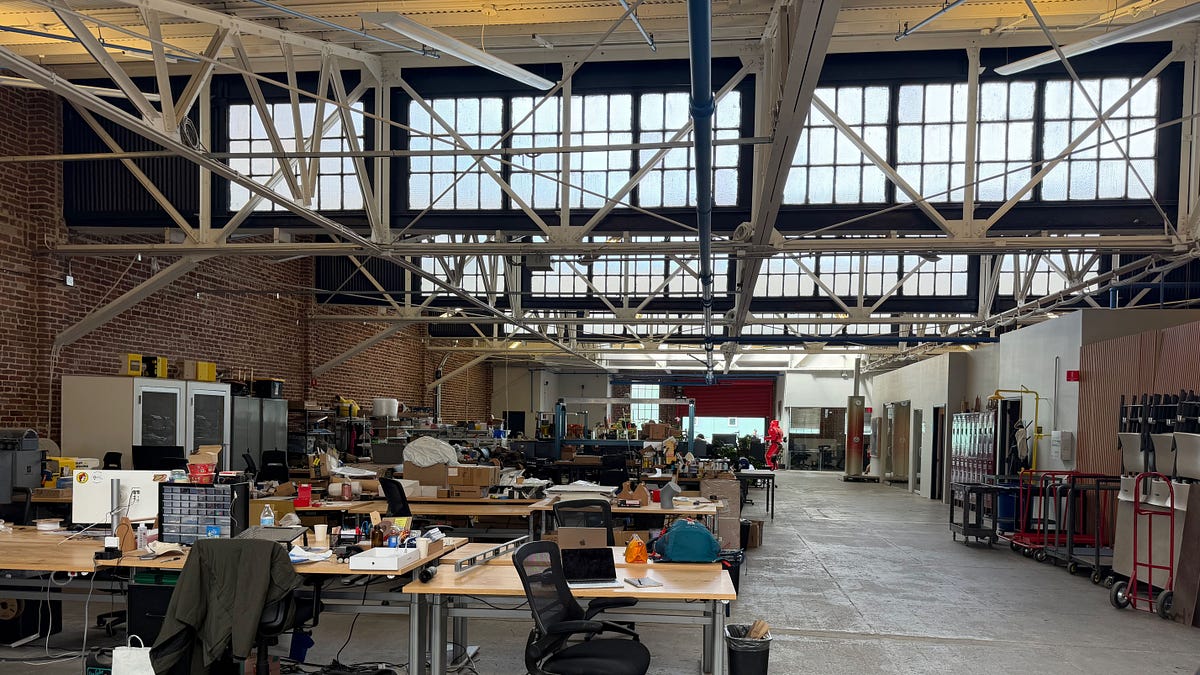
Humanmade is a makerspace on Bryant Street in San Francisco. Humanmade, you might say, was born out of the ashes of Techshop SF, the most successful of all the TechShop locations. Founder Ryan Spurlock and many on his team worked at TechShop until it closed in 2017.

The woodshop at Humanmade (photo by Dale Dougherty)
Ryan was determined that Humanmade from its inception had a different mission than TechShop, and he’d say it wasn’t just another makerspace. Its mission was to provide workforce-development programs and become a hardware accelerator for startups and small businesses in SF. In short, he wanted Humanmade to help people learn to use tools and develop valuable skills so that they could get jobs. It hasn’t been easy but he has been getting some traction.
Even today, Ryan looks back on his years at TechShop with gratitude because he learned so much, and now he is able to apply that to creating opportunities for others.
Read more about Humanmade on the Make: Substack.
Diffraction Grating Clock
Sam Freeman, Make: Editor, writes about a “hypnotic clock” built by Moritz Von Sivers, a clockmaker whose previous works included a servo word clock and a lenticular clock. Sivers’ newest clock, which he entered into Instructables’ annual Colors of the Rainbow Contest, “overlays blue and red numbers on an LED display and, by harnessing the magical properties of the electromagnetic spectrum, separates hours from the minutes through a diffraction grating screen.”

Create a two-minute film and enter it in our maker film festival
“The distinctive imperfections of VHS — its flickering images, descending lines of static, and color bleeding — can somehow make it feel more human than the hyperreal 4K 60fps footage that today’s cameras can produce,” writes Tom Hawking in his recent Gizmodo story about a new film released straight to VHS.
While the article itself is well worth reading, that line struck me as we announce the 2026 Maker Faire Two-Minute Film Festival.
When we launched the inaugural Two-Minute Film Festival in 2025, our hope was that it would inspire makers of all interests to try filmmaking. The absurdly short runtime eliminated financial gatekeepers that often come with even 30-minute films, and more importantly eliminated the phantom “I’m too busy” obstacle — I mean, it’s just 120 seconds! And it’s free to enter!

Showcase your maker skills in 120 seconds of movie magic!
Michael Corrie, whose entry A Thing was chosen as one of the judges’ favorites last year, produced his film in a single afternoon. Others, like fellow judges’ favorite William Nava, made his film Aiko’s AI Code as a fun summer project.
If you watch the judges’ favorites from last year’s Two-Minute Film Festival on this YouTube playlist, you’ll notice they’re not perfect. But that’s also what makes them wonderfully human. Make: — and the entire maker community — isn’t looking for “perfect.” We’re looking for “real.” We’re looking for you to channel your creativity into 120 seconds of magic and proudly declare: “I made a movie!”
(Just please don’t make us dig our VCRs out from the basement.)
Key Dates
June 5, 2026: Submissions open
August 24, 2026: Submissions close
September 25–27, 2026: Showtime at Maker Faire Bay Area!
More info: Film Festival Website
Questions: [email protected]
If you want some more inspiration, check out this story about 20-year-old Kane Parsons, who started creating short videos under the title “Backrooms” on YouTube and now has a hit feature-film with the same title. Read more about him here.

Stop the 3D printer. I’m making my own propeller hat.
Make Things is a weekly newsletter for the Maker community from Make:. This newsletter lives on the web at makethings.make.co
I’d love to hear from you if you have ideas, projects or news items about the maker community. Email me - [email protected].
