

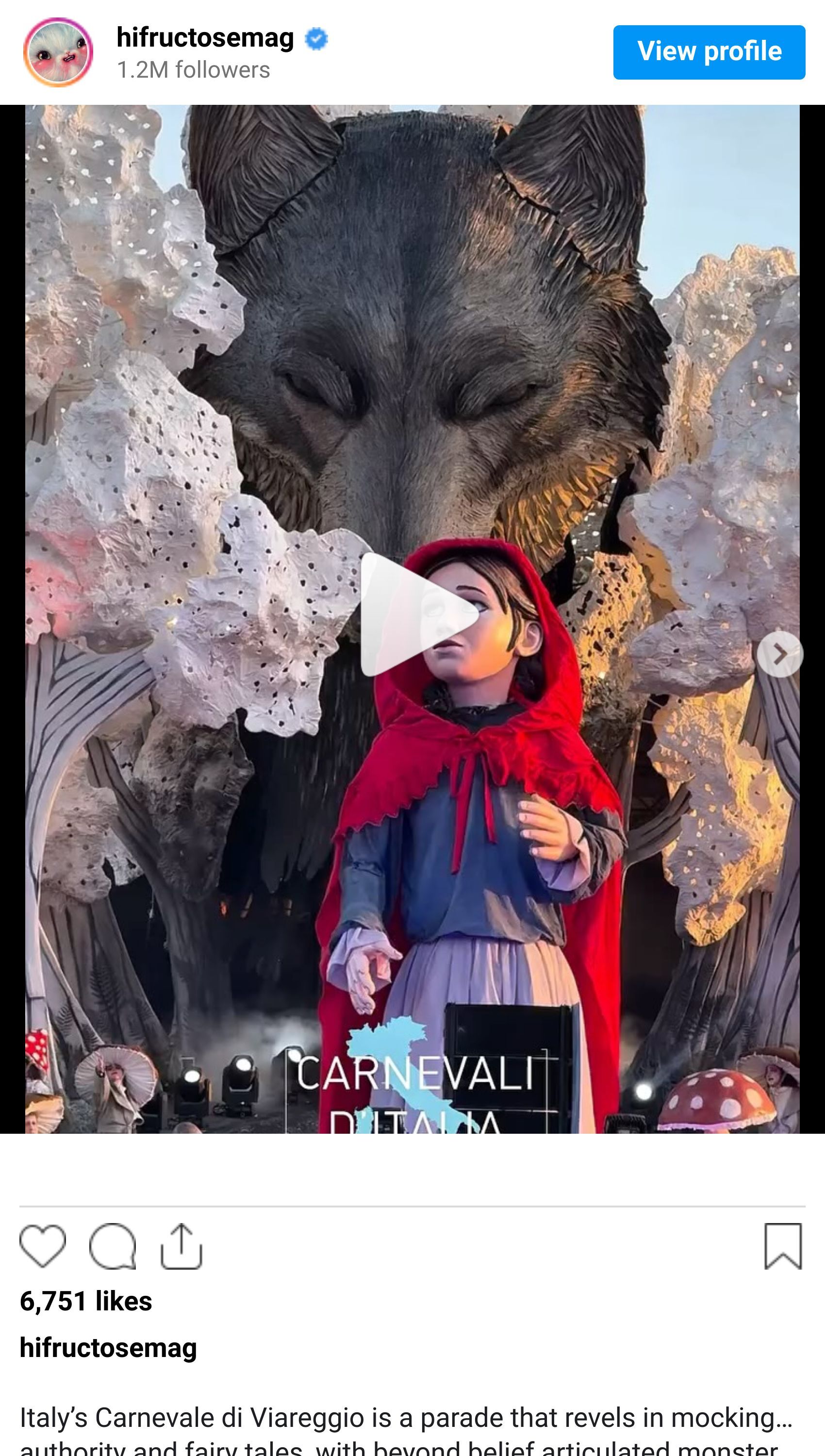
Carnevale di Viareggio (photo from website)
Over twenty years ago, when a group of editors and I were brainstorming what Make: magazine would be, we would feature DIY projects that you’d do on a Saturday afternoon — when you had some free time on your hands. This could be a project that was challenging but fun and fit your interests. The best part was that it was your project and you could do what you wanted to do.
That’s not what usually happens at work but it does happen on your own time. Weekends, nights, all kinds of breaks from the ordinary. That’s where the original tagline for Make: came from — Technology on Your Time.
Table of Contents
What motivates a maker
Paul Spinrad was one of the original editors of Make:. Recently, in Main Street Journal, Paul wrote an article titled “Makers can use AI as much as they want.”
Paul was writing in response to another article that appeared in INC. magazine, provocatively titled “Whatever happened to the maker movement?” by Lin Grensing-Pophal, which was published last November. To me, it seems like a content-marketing piece paid for by one of the companies it talks about. It’s subhead adequately describes the author’s point of view:
The core promise of the maker movement—democratizing creation—has expanded dramatically through AI. But too much digital kills innovation.
Spinrad writes that this article’s argument is that that “innovation in physical products is hindered by over-reliance on digital tools.” While he’s in agreement about the value of hands-on prototyping, Spinrad doesn’t agree that digital tools are killing innovation. It’s a false dichotomy. The growth of the maker movement has been driven as much as anything by software that unlocks the creative potential of more people who lack the specialized design skills or training to create something. What might have required a degree in industrial design or a lot of on-the-job training in CAD is now approachable by ordinary people who have the desire to learn.
Spinrad also makes a bigger point that I want to emphasize here. The INC. article focuses on corporations but “misses the full picture because 1) the maker movement was and is primarily grassroots and independent, not a management trend, and 2) people’s motivations are different at work vs. on their own time.” He adds:
The corporate setting was never the center of the maker movement. It was people making things on their own, whether they were students, straight-arrow weekend tinkerers and home-improvers, or rebel pranksters and Burning Man types making things like DIY flamethrowers.
Spinrad says that this idea was “captured by MAKE’s original subtitle, “Technology on your time.” MAKE has many readers who work for tech companies, but it’s for when they want to apply their skills and mindset to their own creative projects, where the motivations are different.
Why people make things on their own time is different than those who make at work. They have a greater degree of freedom and often greater pleasure in doing it. However, the software and hardware tools that came to be used by amateurs also migrated into the workplace and gave companies new ways to innovate. So it’s not either/or.
So, remember, the tagline of Make: is not “Technology on Company Time.” That’s working in the IT department.
Carnevale di Viareggio
This month, the Carnevale di Viareggio takes place at the same time as the Winter Olympics but in the Tuscan region of Italy. The parades look absolutely amazing.
The Carnival is a tribute to creativity: artists and craftsmen come together to bring to life spectacular allegorical floats, turning the parades into a showcase of talent and imagination. Blending traditional elements with modern techniques and technologies, the Viareggio Carnival is a harmonious fusion of past and present, innovation and tradition.
It is a parade “that revels in mocking authority.”
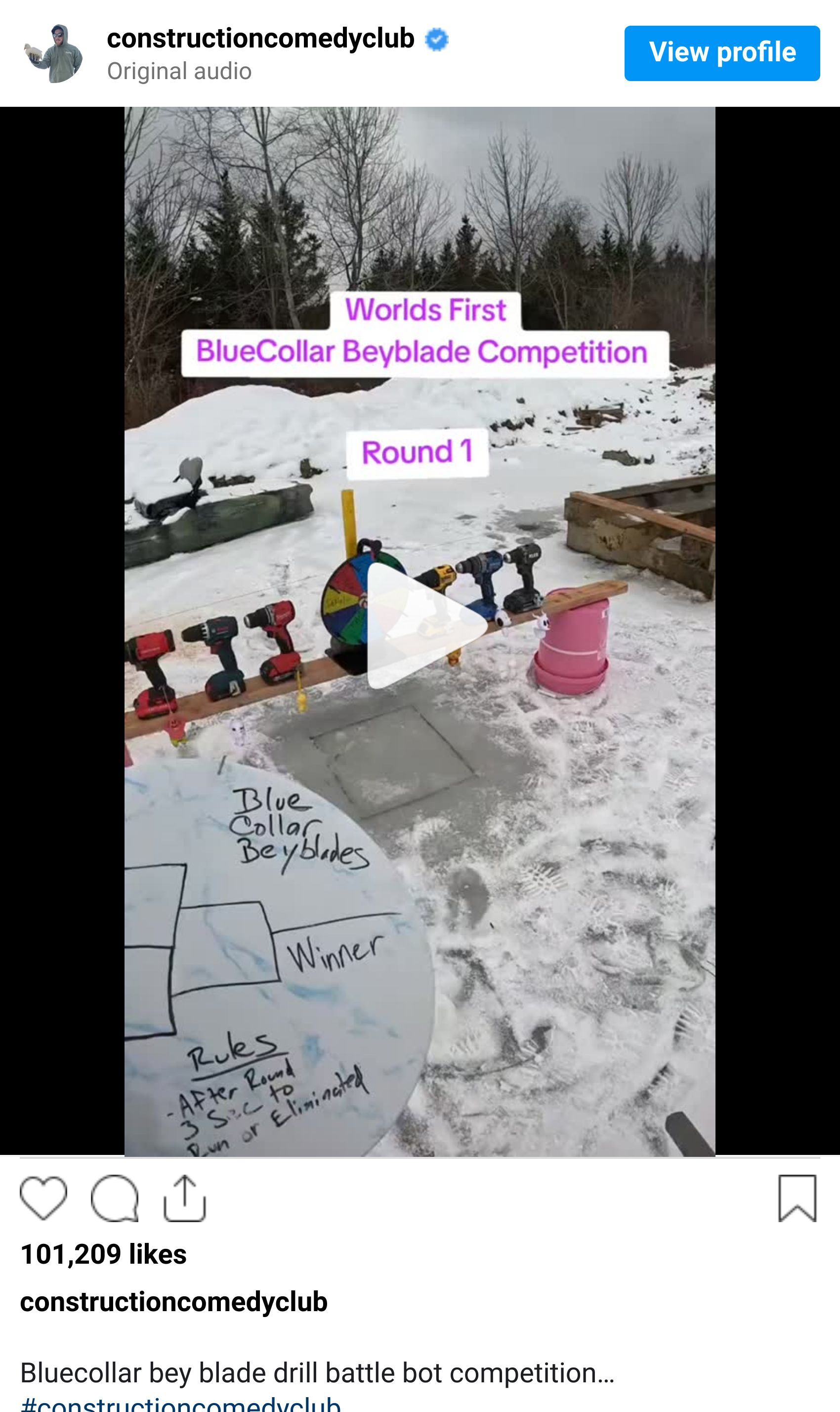
Battling Power Tools. It’s what you do if you don’t like ice fishing, I guess.
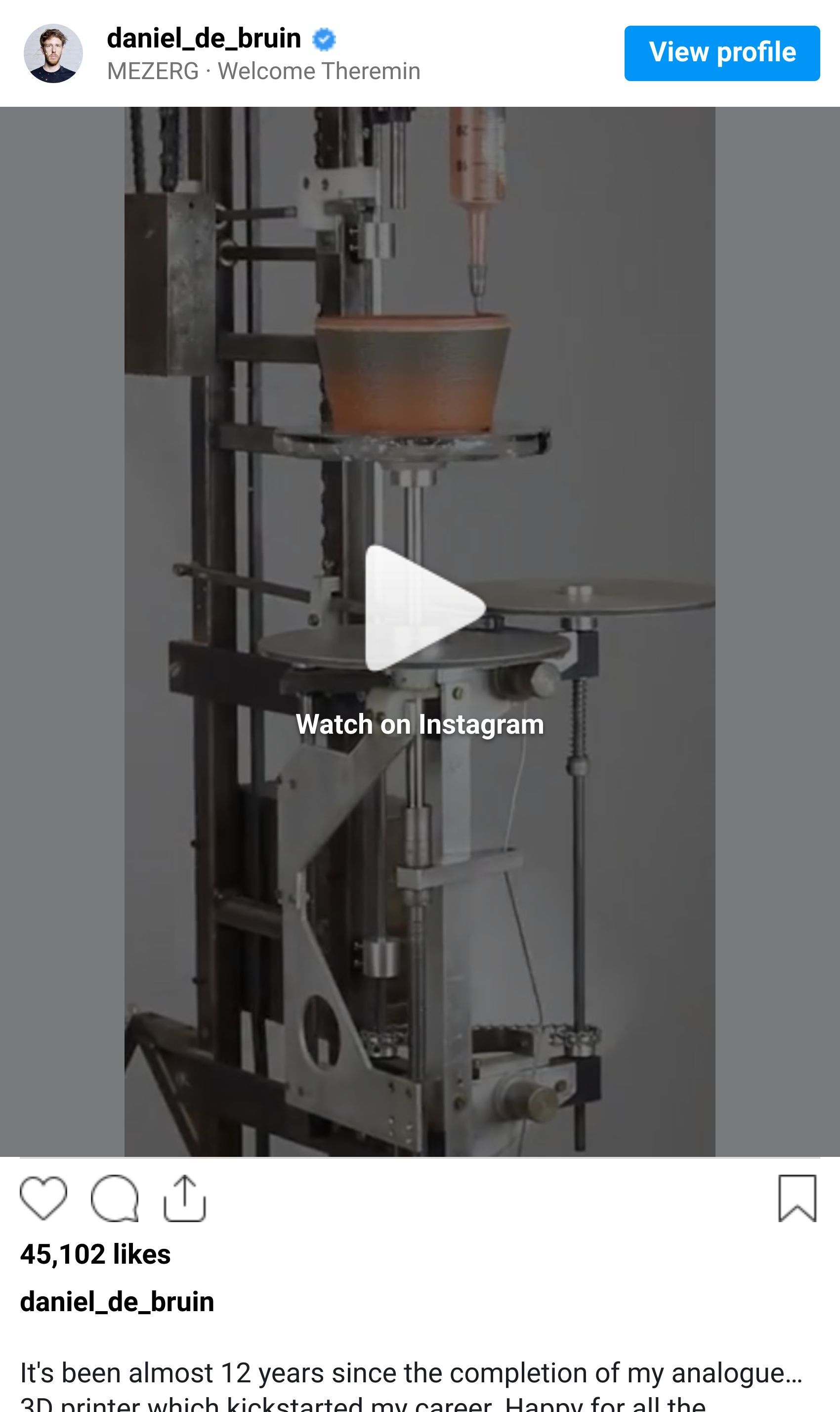
Daniel de Bruin’s Analog 3D printer. He made it 12 years ago and he has made a career out of it.
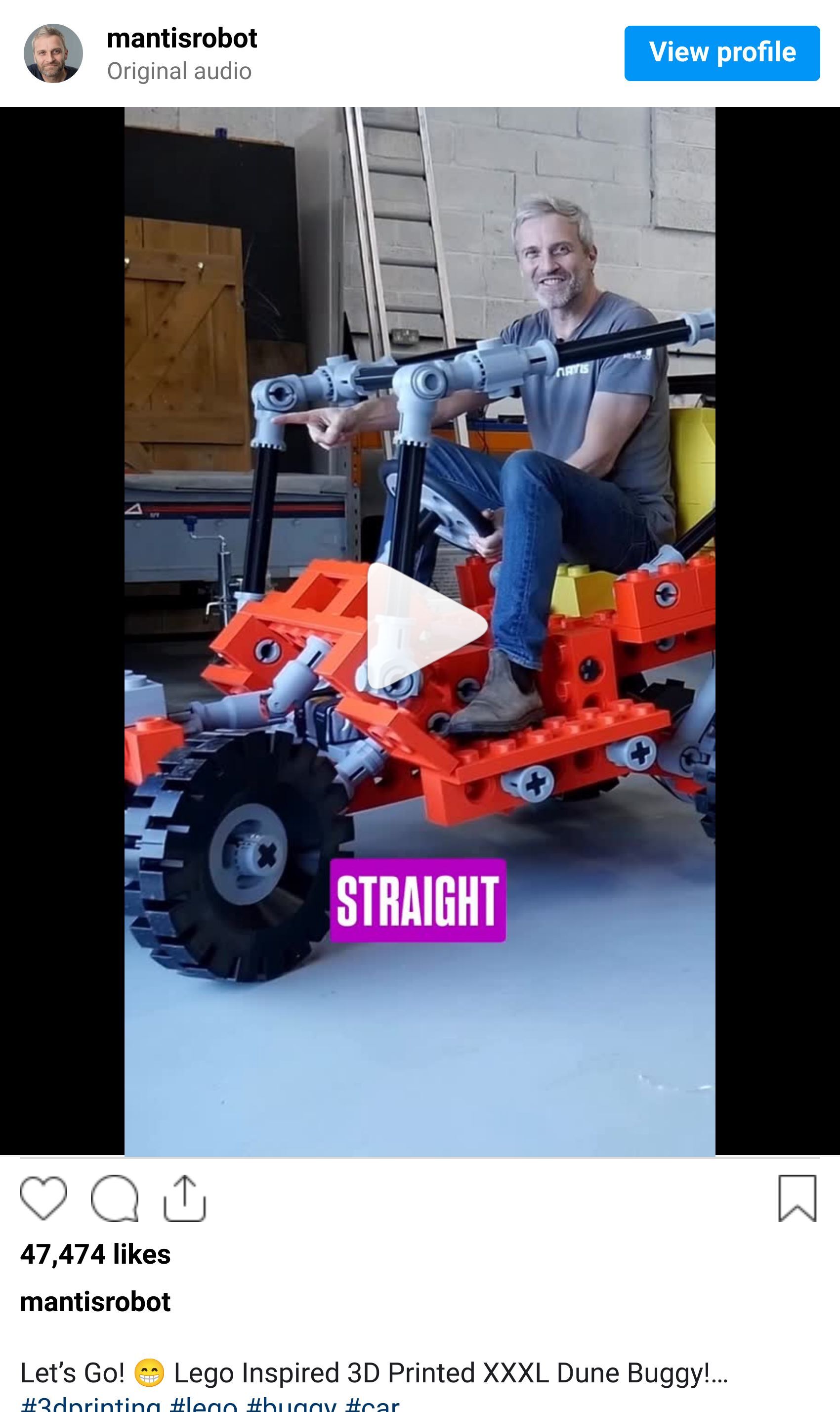
Lego-inspired 3D-printed Dune Buggy
Steph Piper on Make: Live This Thursday
Join Steph Piper and me on Thursday at 7pm ET / 4pm PT as we talk about maker skills and her new book, Skill Seeker: Young Maker Edition activity and guide book, to explore how “skill trees” transform learning into a game that motivates young makers along their STEAM path.

Steph Piper is the Library Makerspace Manager at UniSQ, based in Toowoomba, Queensland, Australia. She designs beautiful, multicolour circuit boards you can find on Etsy, and crowdfunded GlowStitch, the machine-sewable LEDs. Steph previously wrote Skill Seeker: Maker Edition, for adults to chart a path toward maker-skill mastery.
Register Here for Make: Live this Thursday.
Enjoy your weekend, even if you are working instead of playing.
Make Things is a weekly newsletter for the Maker community from Make:. This newsletter lives on the web at makethings.make.co
I’d love to hear from you if you have ideas, projects or news items about the maker community. Email me - [email protected].
